


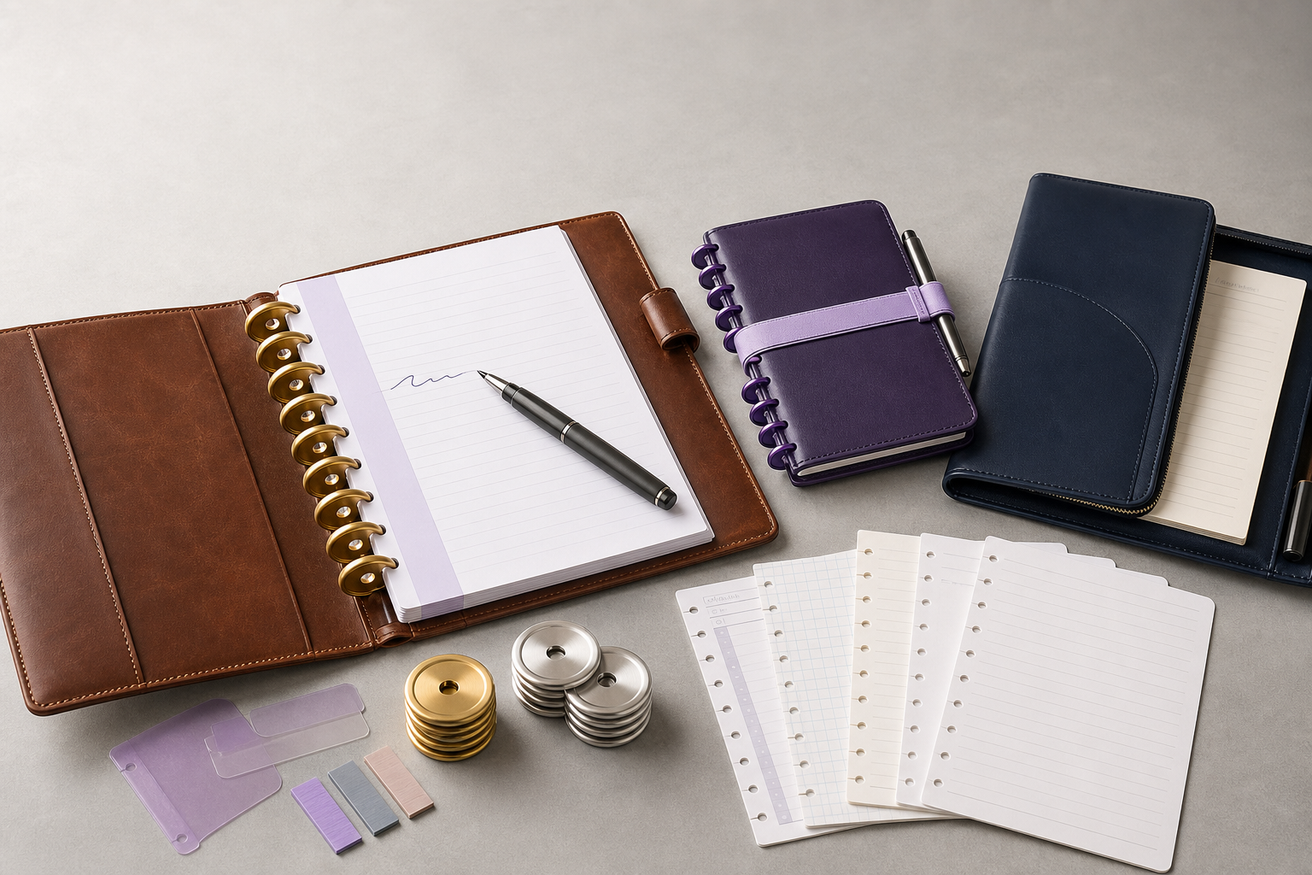
Value isn’t a slogan—it’s how well a tool serves you over time. If you’re weighing Levenger against mass‑market notebooks, planners, bags, or pens, you’re really asking three questions: What am I paying for? How long will it last and stay enjoyable to use? And can I buy in a way that respects my budget today while setting me up for years of reuse? This guide answers those questions with practical frameworks, real‑world scenarios, and a clear look at where Levenger’s products deliver outsized return on investment for professionals and lifelong learners.
What “worth it” looks like in daily use
People who choose Levenger tend to work with ideas all day—drafting briefs, leading workshops, annotating books, running client meetings. For that rhythm, value has a specific shape:
- Reliability: A zipper that doesn’t stick, a pen that starts every time, paper that won’t feather under a fountain pen. Reliability protects momentum.
- Refillability and modularity: Systems you can refill or reconfigure mean a one‑time purchase keeps evolving with your projects instead of aging out after a single season.
- Materials that improve with wear: Full‑grain leather that develops character; durable alternatives that resist scuffs. Patina tells your story without compromising structure.
- Design for focused work: Page layouts that make meetings efficient, organizers that stage documents and devices, and accessories that reduce friction (like a pocket exactly where you expect it).
When you evaluate Levenger on those terms, pricing starts to correlate with time saved, durability banked, and the satisfaction of using tools that invite you to think more clearly. For a deeper dive into the cost drivers—materials, manufacturing, and lifespan—see Why Levenger Costs More: Materials, Manufacturing, and Lifespan.
Price, materials, and the long view
Leather, paper, and hardware are the quiet engines of longevity. Full‑grain leather preserves the strongest fibers of the hide, so covers, portfolios, and bags maintain structure after years of commuting and conference rooms. Durable leather alternatives such as LevTex™ provide a lighter, lower‑maintenance option for those who want resilience without the patina of natural grain. Zippers, stitches, and linings are equally consequential: well‑set zippers glide; reinforced seams keep corners crisp; lined pockets prevent abrasion.
Paper is the unsung hero. Archive‑quality, heavier‑weight paper resists bleed‑through and feathering across a wide range of inks, so you can write on both sides without ghosting. If you use highlighters or fountain pens, that’s not a luxury—it’s the difference between capturing ideas and fighting your notebook. The first supporting guide above unpacks these choices in detail so you can match them to your priorities before you spend.
The compounding value of refillable systems
Refillable and modular designs change the math. Instead of replacing a whole notebook or planner each year, you can keep a cover you love and refresh only the pages, tabs, or discs you need. Levenger’s Circa discbound system is designed around that principle: pages move with a gentle tug, sections reorganize in seconds, and capacity scales by swapping disc sizes. If you’re curious where to start and how far you might go, Is Circa worth it? What you get at each price tier breaks down real‑world setups—from a modest starter to a power‑user toolkit—so you can decide what’s “worth it” for the work you actually do.
Cost‑per‑use: a practical way to compare
Sticker price rarely tells the whole story. Consider two paths for a meeting notebook over a two‑year period:
- Disposable path: Four mass‑market notebooks at $20 each. Total: $80. Paper quality varies; pages can’t move between projects; covers fray; you recycle and rebuy.
- Refillable path: One durable cover plus two years of refills, tabs, and a pocket, say $120–$160 based on materials and size. Total: $120–$160. The cover improves with use; you reorganize projects easily; only consumables are replaced.
If you take notes most workdays—let’s say 220 days per year—the disposable path costs ~18¢ per workday over two years. A refillable path at $140 totals ~32¢ per workday, but with substantially better writing experience, fewer lost ideas, and compounding reuse beyond those two years. If that better experience prevents a single missed action item each quarter or makes you more effective in one client meeting, the curve tilts decisively toward the refillable option.
Decision matrix: choosing your value tier
Use the table below to map your priorities to a practical setup. Each option emphasizes a different kind of value—entry, balanced, or long‑horizon investment.
| Buyer profile | Your priority | Typical spend (initial) | What you get | Tradeoffs |
|---|---|---|---|---|
| Focused Starter | Lowest friction entry; reliable paper; compact carry | Modest—aim for a single, well‑chosen notebook or bundle | Archive‑quality paper, standard discs, a few tabs or pocket; reusable cover if you choose a bundle | Less storage capacity; synthetic or lighter leather; you’ll add components later |
| Practical Builder | Refillability + organization as projects grow | Moderate—cover plus refills, tabs, and upgraded discs | Reusable cover, flexible layouts (meeting, dot, planner), disc upgrades for capacity, better durability | Slightly heavier carry; learning to reorganize pages takes a day or two |
| Long‑Horizon Investor | Premium materials; maximum reusability; polished meeting presence | Higher—premium leather cover or folio + accessory ecosystem | Full‑grain leather that ages beautifully, smooth hardware, storage pockets, accessories (zipped folio, belts) | Upfront cost is higher; care matters to realize multi‑year lifespan |
For specific configurations and savings strategies, see the supporting Circa pricing guide mentioned earlier; it details what’s included at each price tier and how to build over time without overspending.
Real‑world builds that respect your budget
Entry that feels premium where it counts
If you want a confident first step, a curated starter can be the sweet spot. A bundle with a durable cover, archive‑friendly paper, and a few organizing essentials gives you the experience of a premium system without asking you to choose every component. An example is the Circa Royal Discbound Notebook Bundle, which prioritizes writing feel and everyday organization in a single purchase. Expect reliable paper, smooth page movement, and a reusable cover you can keep upgrading.
Builder mindset: invest once, expand by refills
Prefer to stage complex projects and archive as you go? Start with a durable cover and flexible inserts, then scale capacity by swapping discs. If your weeks are meeting‑heavy, a foldover cover paired with a planner refill and project inserts provides a balanced mix of speed and structure. If you anticipate large document sections, plan for disc upgrades early—capacity is one of the most cost‑effective levers in a discbound system. For optimization ideas across layouts and capacity, you may find Common Upgrades: Moving from Junior to Letter, Plastic to Aluminum, Basic to Luxe helpful.
Polished presence for client‑facing work
If your notebook doubles as a first impression, quality of leather and hardware matter as much as the page. A premium foldover cover protects edges, streamlines the silhouette in a briefcase, and signals preparedness in the room. The Circa Luxe Leather Foldover Notebook fits this role for many professionals because it pairs long‑wear materials with the flexibility to upgrade inserts as your workload changes.
Paper, pens, and the experience premium
Many people discover Levenger because they want paper that respects the tools they love—rollerballs that stay crisp, highlighters that don’t shred fibers, or fountain pens that glide. The “experience premium” is less about luxury and more about preserving legibility, feedback, and flow—the things that make your handwriting readable under pressure. If you’re curious how much to budget for your first serious pen, and what you gain as you step up in price, see Buying your first fountain pen: what to spend and why. It walks through nib sizes, filling systems, serviceability, and smart accessory choices so you can enjoy the medium without overspending.
Maintenance is part of value, too. A simple monthly ritual—flushing a pen, reseating cartridges, wiping section threads—prevents clogs and extends the life of even entry‑level pens. If you’d like a short routine to follow, Maintenance Rituals: Cleaning, Flushing, and Safe Storage offers step‑by‑step practices that take minutes, not hours.
Accessories that multiply usefulness
Small, thoughtful accessories can deliver outsized returns when they reduce friction in your day:
- Capacity and carry discipline: If your notebook travels, securing loose pages matters. A slim strap keeps covers closed in a bag, protects edges, and prevents that one rogue receipt from escaping. The Modern Notebook Belts (set of 4) are a budget‑friendly way to keep multiple projects tidy.
- Meeting‑ready organization: Professionals who carry a favorite pen and a few documents may prefer a slim folio that stages everything for quick access. A dedicated pen sleeve and interior pockets mean fewer seconds lost to rummaging. The Leather Pen Folio suits this use case when you want a refined, protective home for a single prized pen and essential papers.
- System consolidation: Heavy note‑takers can avoid “notebook creep” by consolidating into a single, high‑capacity build rather than juggling three slim notebooks. A curated kit such as the Super Circa Bundle can be cost‑effective compared to piecemeal upgrades, especially if you know you’ll use the capacity immediately.
Bundles often include components you’ll buy eventually—discs, tabs, pockets—so the unit economics can be favorable. For ideas on sequencing upgrades without overbuying, see Build Your Own Bundle: How to Maximize Savings Without Sacrificing Fit.
Choosing sizes, capacities, and formats
Right‑sizing is one of the easiest ways to protect your budget. Choose the smallest size that still accommodates your documents and writing style:
- Junior (roughly half‑letter): Packs easily, encourages concise notes, and pairs well with travel. Many people draft in Junior and park supporting documents digitally.
- Letter: Ideal for broad weekly views, document inserts, and margin‑heavy note‑taking. Best for desk work, boardrooms, and client packets.
- Capacity via discs: Think of discs as a dial you turn based on project load. Larger discs mean fewer separate notebooks and faster context switching, but they also add a little bulk. Start smaller if you commute, then step up as projects accumulate.
If you’re debating a move—say, from Junior to Letter or from plastic to metal discs—the upgrades guide linked earlier provides concrete scenarios so the change feels considered rather than experimental.
How service, returns, and refills factor into value
When tools are designed to be refilled and repaired, support matters. Levenger’s customer care, warranty coverage, and generous return window are part of the value calculation because they reduce the risk of trying a new system or material. Refills, inserts, and replacement components also remain available across seasons, which means you don’t have to start over when a planner year ends or a project changes format.
Longevity through care
Care doesn’t have to be a chore. A quick wipe for leather after travel, letting a damp cover air‑dry away from heat, and rotating two pens during heavy annotation weeks—that’s often enough to avoid premature wear. For people who enjoy a sustainable approach to tools, Sustainable Writing: Refill Strategies and Care for Decades of Use explores routines that keep notebooks and pens in service for years.
Putting it all together: scenarios and smart moves
The consultant in motion
A consultant who splits time between client sites and flights needs a notebook that opens flat in cramped spaces, holds handouts, and looks composed in a meeting. A mid‑tier discbound cover with upgraded discs, meeting notes refills, and a pocket keeps everything together. Add a slim folio if you present often. The result: fewer items to track, smoother transitions between sessions, and a professional presence that outlasts trend cycles.
The faculty member balancing research and teaching
For a professor, value shows up as mental clarity. A two‑notebook system—one for course logistics, one for research—lets you rearrange sections at semester breaks and archive in tidy stacks. Paper that accepts fountain‑pen annotation without bleed‑through makes marginalia legible years later. You can stay in a midrange budget by upgrading discs for capacity rather than buying extra covers.
The founder who lives by her weekly spread
Startup leaders often live out of a planner: hiring, vendor calls, investor check‑ins. A foldover cover with a planner refill, task inserts, and a few pockets becomes command central. The upfront spend is higher, but you’re buying down cognitive friction—every piece has a place, and the system flexes when your week explodes. Over a year, the cost‑per‑use drops while the system grows more attuned to your work.
Key takeaways
- Value compounds when you can reuse: Refillable systems shift spending from replacements to thoughtful upgrades and refills.
- Materials and paper quality safeguard your work: Better inputs and construction cost more upfront and pay you back in reliability and writing experience.
- Right‑size your first purchase: Choose the smallest, most capable setup that fits your documents and note style; you can expand capacity later with discs and refills.
- Buy in bundles when it makes sense: Curated kits can be more economical than piecemeal purchases if you’ll use the included components right away.
- Care and support extend lifespan: Simple maintenance and reliable refills turn today’s purchase into a multi‑year tool.
Frequently Asked Questions
Is Levenger actually worth the price compared to mass‑market notebooks?
It depends on your priorities. If you mainly need disposable pages for occasional lists, mass‑market notebooks deliver adequate value. If you write daily, present to clients, use fountain pens or highlighters, or want a system you can reconfigure and refill for years, Levenger’s materials, paper quality, and modular design offer durable value that often lowers cost‑per‑use over time. For a fuller explanation of pricing inputs and longevity, read Why Levenger Costs More: Materials, Manufacturing, and Lifespan.
How do I decide between Junior and Letter sizes in a Circa build?
Match size to context. Choose Junior if you commute, travel frequently, or prefer compact notes—it fits bags easily and keeps pages focused. Choose Letter if you work primarily at a desk, annotate printed documents, or want bigger weekly or project views. If you’re considering a size or capacity change, see Common Upgrades: Moving from Junior to Letter, Plastic to Aluminum, Basic to Luxe for concrete scenarios.
What’s the smartest way to start without overspending?
Begin with a well‑rounded starter that includes a reusable cover and reliable paper, then expand by adding refills and adjusting disc size as your projects grow. Bundles can be a cost‑effective entry if you’ll use most components immediately—Build Your Own Bundle: How to Maximize Savings Without Sacrificing Fit outlines how to time upgrades and avoid duplicates. A value‑focused example to consider is the Circa Royal Discbound Notebook Bundle.
I’m buying my first fountain pen. How much should I spend and what else do I need?
Set a budget based on how often you’ll write and whether you want long‑term serviceability. Many people find great first experiences in the $40–$90 range (cartridge/converter pens), while $100–$200 brings upgraded materials and tunable nibs. Pair your pen with fountain‑pen‑friendly paper for clean lines and add a simple care routine to keep everything flowing. For step‑by‑step guidance, see Buying your first fountain pen: what to spend and why, and consider a protective carry like the Leather Pen Folio if you travel.


